




Purchasing Cleaning Brush Machinery: Focus on These 4 Points—More Reliable Than Just Low Prices
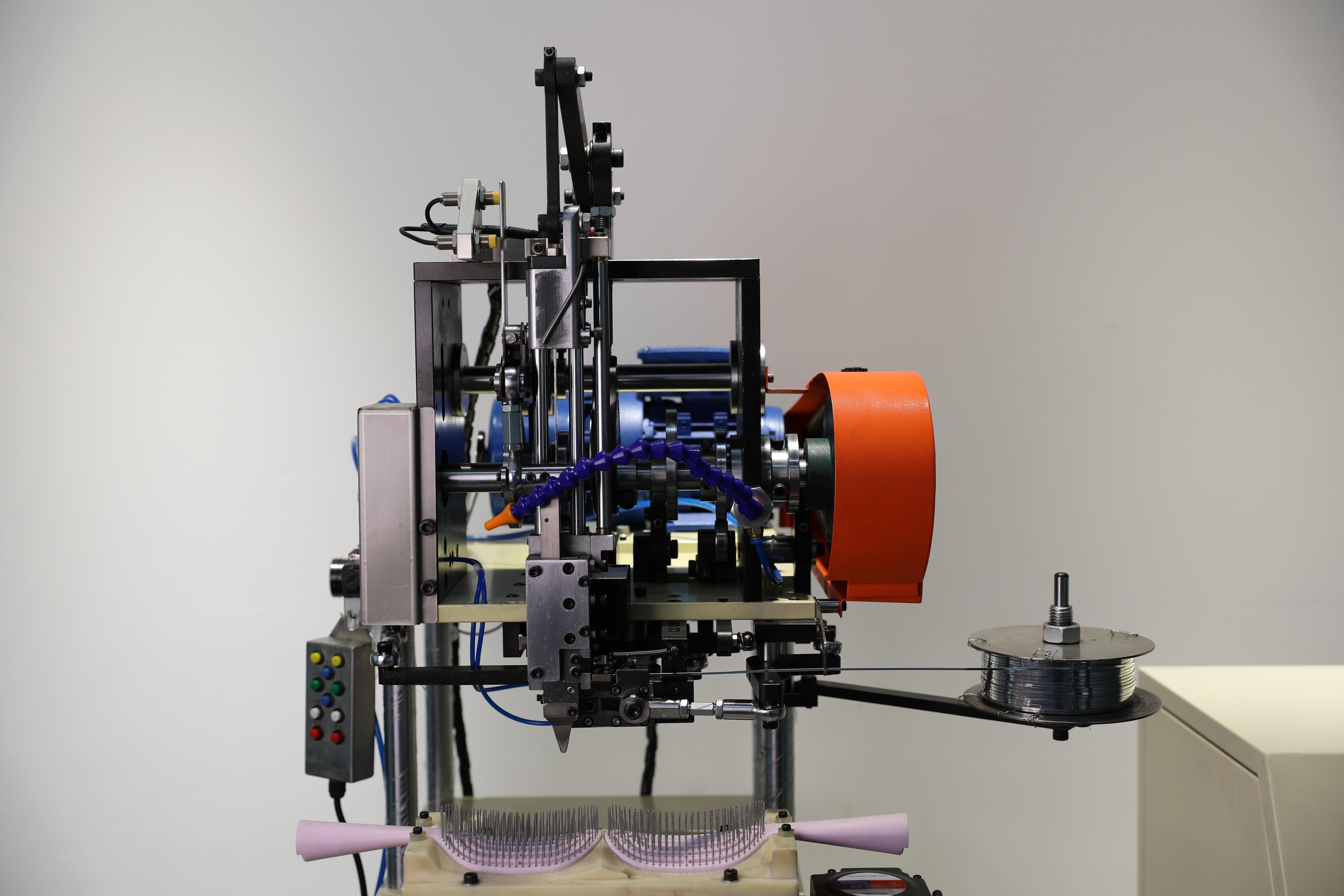
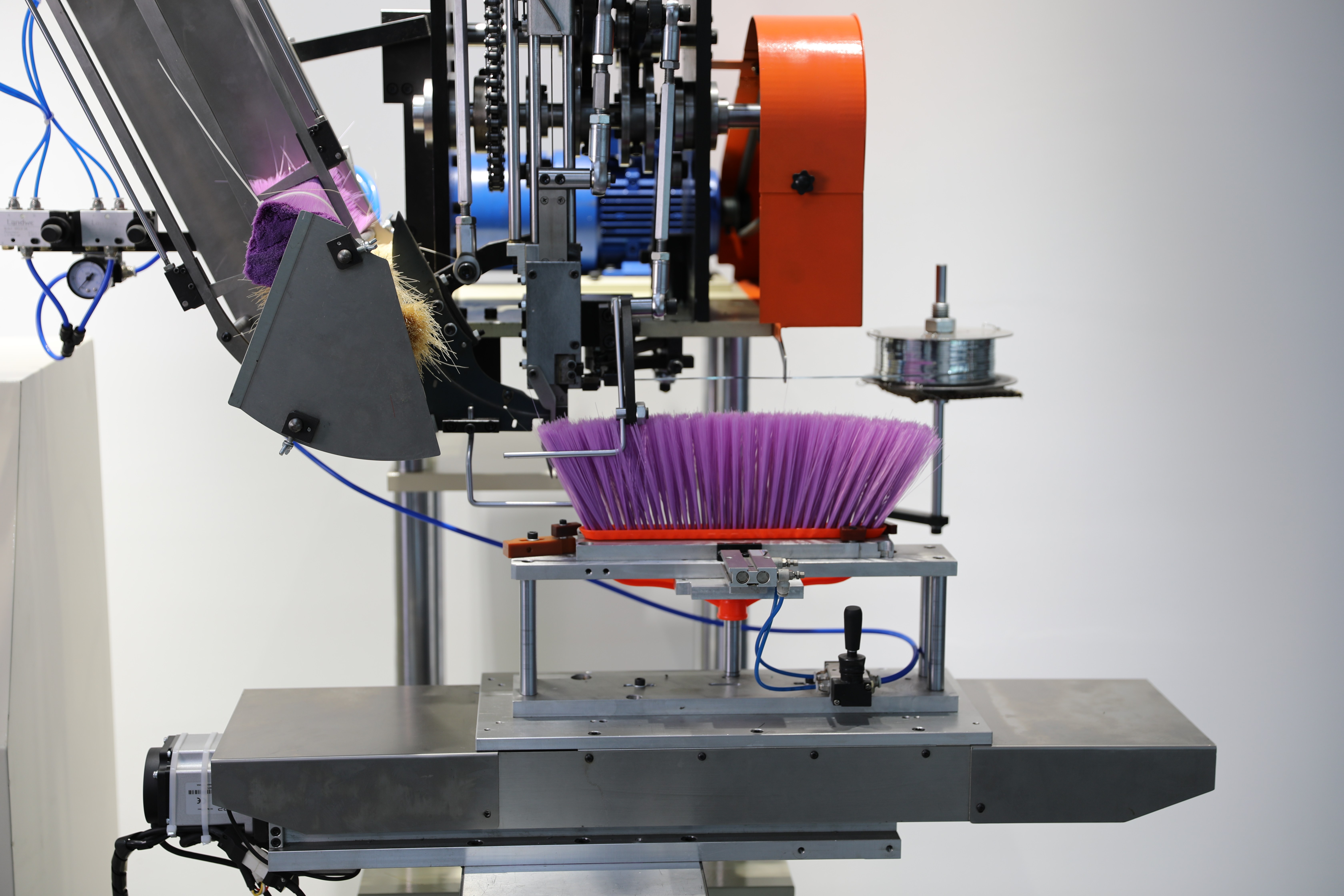
The cleaning brush category encompasses a wide range of products—including household, commercial, and municipal sanitation brushes—and serves a broad spectrum of applications. Consequently, the machinery used to produce them faces rigorous demands regarding production efficiency, wear resistance, and resistance to water and dust. Furthermore, overseas markets are imposing increasingly strict environmental and safety standards on cleaning products. When procuring such manufacturing machinery, buyers must avoid the trap of prioritizing price above all else; instead, they should focus on the equipment's practicality, regulatory compliance, capacity suitability, and cross-border after-sales support to prevent low-cost machinery from compromising production schedules and product quality.
1. Target Market Compliance and Environmental Standards
Both the cleaning brush machinery itself and the finished products must comply with the environmental and safety requirements of target overseas markets. For the EU market, compliance with REACH regulations and the CE Low Voltage Directive (LVD) is mandatory, strictly prohibiting the presence of heavy metals or hazardous chemicals in the machinery or the brush bristles. For the North American market, compliance with CSA safety standards is required, ensuring that the electrical components of the equipment meet insulation requirements to prevent risks such as electrical leakage and overheating. Additionally, there is a growing demand for brush bristles made from eco-friendly, biodegradable, or food-grade materials (particularly for kitchen cleaning brushes). Suppliers must provide environmental testing reports for the bristles and safety certifications for the equipment to ensure that the finished products can successfully enter the local market.
2. Equipment Capacity and Adaptability
The cleaning brush category is highly diverse, featuring significant variations in bristle materials (e.g., nylon, steel wire, plant fibers), handle specifications, and tufting density. When procuring machinery, key considerations should include: whether the equipment's daily production capacity aligns with the order volume of the overseas factory; whether it supports seamless switching between fully automatic and semi-automatic modes to accommodate both large-scale mass production and small-batch customization; whether it can adapt to various bristle diameters, lengths, and stiffness levels to produce a wide range of cleaning tools (such as disc brushes, strip brushes, cup brushes, and floor brushes); whether it features a rapid mold-change function (with a changeover time of ≤30 minutes) to boost production efficiency; and whether its physical footprint is reasonable, fitting well within the layout of the overseas workshop and supporting integration into a linked assembly line.
3. Machinery Stability and Durability
The production of cleaning brushes involves high-frequency, repetitive operations. Low-cost machinery is prone to issues such as bristle jamming, needle breakage, and insecure tufting—problems that can severely undermine production capacity. Prioritize equipment equipped with intelligent control systems, featuring automatic fault alarms, production counting capabilities, and low-material alerts. The machine frame boasts a robust structure that ensures vibration-free operation, enabling continuous 24-hour duty cycles. Critical transmission components are fabricated from wear-resistant materials to minimize abrasion. Furthermore, the equipment meets requisite waterproofing and dustproofing standards, making it ideally suited for the humid and dust-laden environments often found in cleanroom facilities, thereby significantly reducing the risk of operational failure.
4. Comprehensive Cross-Border Service
To address the unique complexities of international procurement, the supplier commits to providing the following services: Standardized export packaging—designed to be moisture-proof and shock-resistant—optimized for long-distance maritime transport; English-language instructional videos and illustrated manuals, accompanied by remote technical guidance for installation and commissioning; Free provision of consumable spare parts during the warranty period, with support for international express delivery of replacements; Assistance with export customs clearance procedures and freight logistics coordination; and, in anticipation of varying national electrical standards, the pre-customization of compatible motors and circuitry to eliminate the need for troublesome on-site modifications.
Tags: